February 20, 2026
Choosing the right roofing material is one of the most important decisions a homeowner can make, as it directly impacts the safety, efficiency, and longevity of a home. A roof is far more than just a protective layer over your head—it serves as a critical barrier against harsh weather, extreme temperatures, moisture, and environmental stressors, while also shaping your home’s overall aesthetic. With a wide array of options available, from cost-effective asphalt shingles to the natural elegance of wood, the durability of metal, and the timeless beauty of slate or clay tiles, understanding the benefits and limitations of each material is essential.
Making an informed choice requires evaluating multiple factors, including upfront cost, long-term maintenance, climate suitability, energy efficiency, and expected lifespan. The wrong material for your region or lifestyle can lead to frequent repairs, premature replacement, and unexpected expenses, while the right choice can enhance curb appeal, improve comfort, and protect your investment for decades. By carefully weighing residential roofing material options alongside environmental conditions, structural requirements, and personal preferences, homeowners can select a solution that balances style, functionality, and long-term value. This guide will explore key considerations to help you make a confident, informed decision when it comes to your next roof.
1. Understanding Roofing Material Options
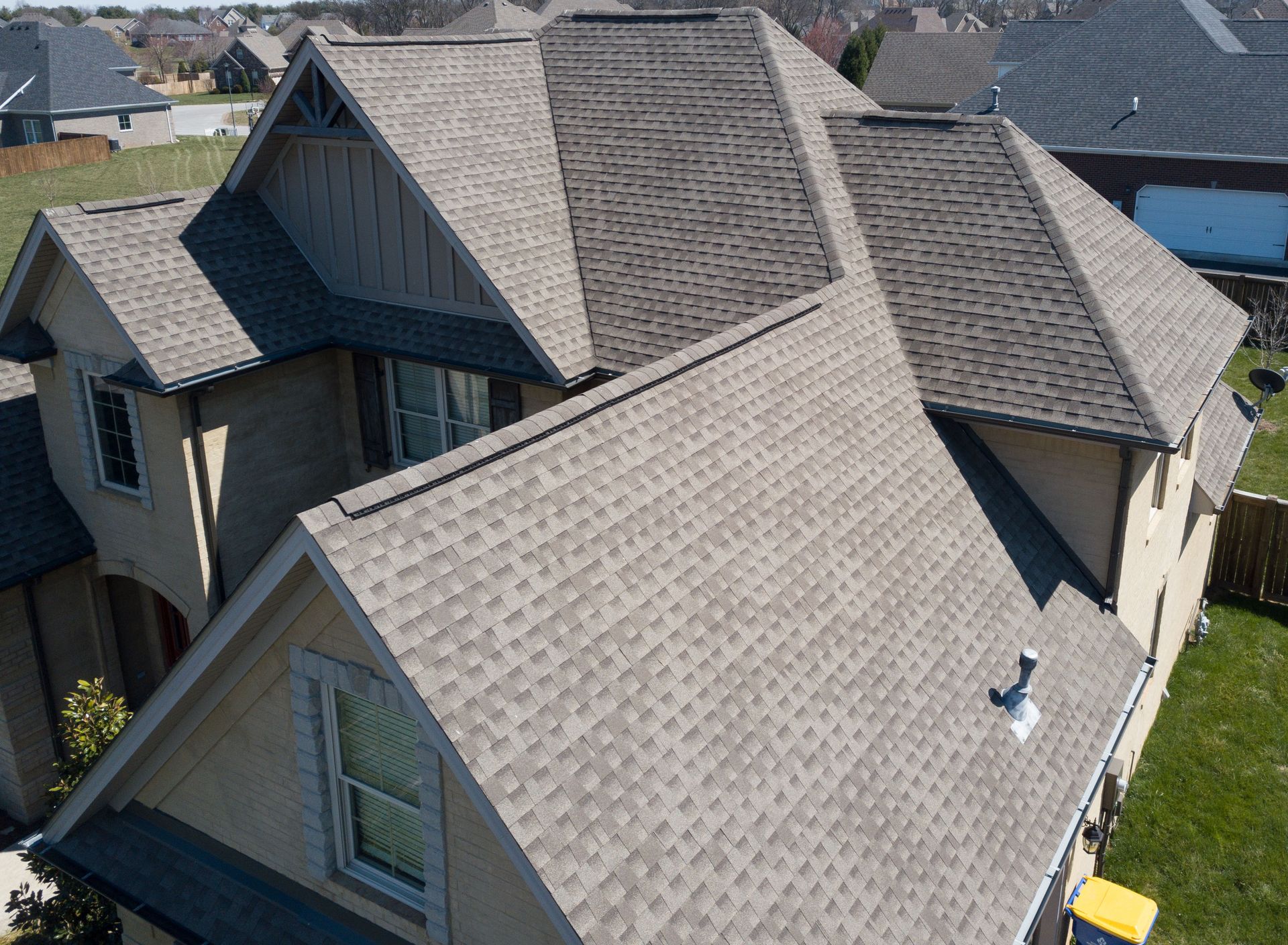
Asphalt shingles frequently top the list for homeowners due to their affordability and ease of installation. They are made from a fiberglass base coated with asphalt and mineral granules, offering good protection at a reasonable price. Asphalt shingles are available in a variety of colors and styles, allowing for customization to match the look of your home. Moreover, according to This Old House, they boast a lifespan of 20 to 30 years, which is quite impressive for the initial investment required. Their cost-effectiveness and relatively short lifespan make them a popular choice for those planning to replace their roof more frequently.
For homeowners seeking a more natural aesthetic, wood shingles and shakes provide an eco-friendly option. These are typically made from cedar, redwood, or pine, offering a rustic charm that suits traditional architectural styles beautifully. The primary distinction between shingles and shakes is that shingles are machine-cut and smooth, whereas shakes are hand-split and have a textured surface. Despite their beauty, wood roofs demand rigorous upkeep to prevent issues like mold, rot, and insect infestations. While more maintenance is involved, the natural insulation properties of wood also contribute to a cooler home environment.
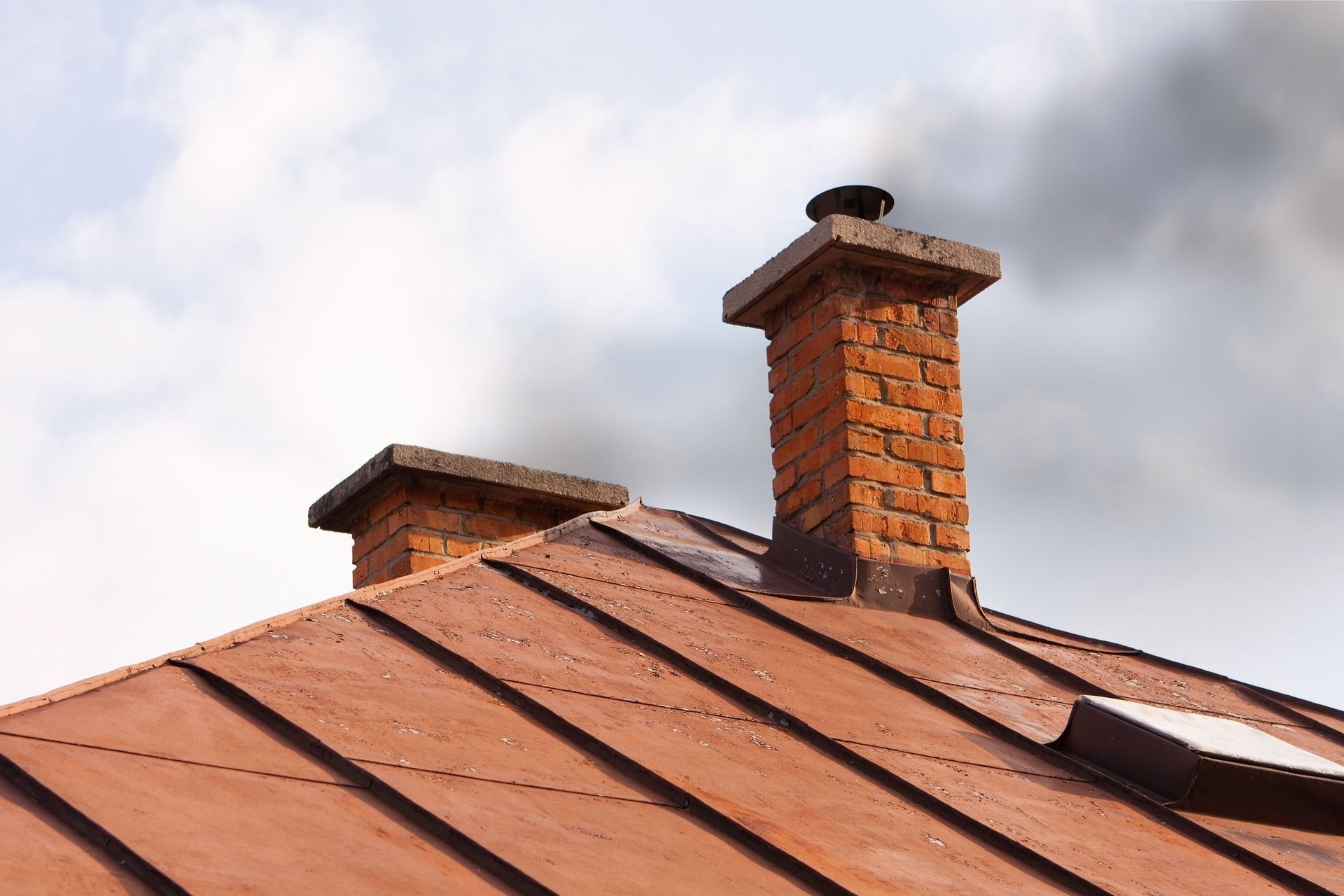
Metal roofing is noted for its durability and eco-friendliness, as it can be made from recycled materials and is entirely recyclable at the end of its life. Common metals used include aluminum, copper, and steel, each offering distinct aesthetic options and longevity. Metal roofs are especially popular in areas prone to severe weather, thanks to their robust nature and excellent resistance to wind and hail. While the upfront cost can be higher than some alternatives, they'll likely save on long-term repairs and maintenance. Metal roofs also provide energy efficiency benefits, reflecting heat from the sun, which could potentially lower cooling costs significantly.
2. Evaluating Climate and Environmental Factors
When selecting a residential roofing material, it's crucial to consider how it will react to the prevailing climate conditions of the area. In hotter climates, materials that can dissipate or reflect solar energy can significantly enhance indoor comfort and reduce cooling costs. Light-colored asphalt shingles, clay tiles, and certain metal roofs are effective at minimizing heat absorption and maintaining a cooler home interior. This characteristic is not only beneficial for energy efficiency but can prolong the lifespan of the roof itself. Considering the climatic demands on your roof will play a crucial role in your material selection process.
In colder regions where snow and ice are prevalent, the ability of a roofing material to withstand these conditions is vital. Metal roofing is often preferred in such environments due to its ability to shed snow quickly, thereby reducing the load on the structure. Further, besides being resistant to moisture and freeze-thaw cycles, metal roofs can also better accommodate snow guards effectively. This prevents dangerous snow slides or ice damage that can occur with improper management. Hence, matching your residential roofing material to climatic challenges helps in long-term cost management and building safety.
Homes located in areas susceptible to strong winds or hurricanes must use materials known for robust wind resistance. For instance, metal roofs and certain varieties of asphalt shingles are engineered to withstand high wind velocity and debris impact. Enhanced fastening systems and wind-graded materials provide a more secure option for such climates. Though potentially at a higher initial cost, this protection can prevent extensive damage and costly replacements in storm-prone regions. Evaluating the wind resistance property of roofing options ensures that your roof stays intact under adverse conditions.
3. Assessing Longevity and Durability
The longevity of residential roofing materials varies significantly and impacts the overall investment and maintenance needs of a roof. Materials like asphalt shingles, with a lifespan ranging from 20 to 30 years, offer a good balance of initial cost and durability. In contrast, premium materials such as slate or clay tiles can last over a century with proper care, though they come at a higher expense upfront. Understanding these differences can help homeowners plan for replacements or upgrades proactively. Considering both the immediate budget and long-term investment yields a clearer picture of overall value.
Durability is another critical factor, requiring an assessment of how well a material can withstand environmental stresses beyond standard weather conditions. For example, metal roofs offer superior durability against natural disasters like hail or fire, contributing to their prolonged lifespan. In contrast, wood shingles, while charming, may succumb more readily to wear unless meticulously maintained. Metal, tiles, and high-quality asphalt shingles often demonstrate superior resilience in their respective uses. By evaluating potential stressors that a roof might encounter, such as climate conditions or natural events, durability can be optimized to ensure lasting protection and performance.
Every residential roofing material comes with specific maintenance demands that can influence the long-term viability and expense of the roof. Wood roofs need regular treatment against pests and rot, for instance, whereas asphalt shingles might only need periodic inspections for damage or wear. Metal roofs, on the other hand, require minimal upkeep, making them an attractive option for those seeking long-term savings on maintenance. Regular reviews of the roof's condition can help preemptively catch potential issues before they escalate into costly repairs. By understanding these maintenance requirements, homeowners can better forecast their budget for roofing care.
Selecting the right residential roofing material requires a thoughtful approach that considers more than just initial cost or appearance. Each material offers unique advantages, whether it’s the affordability of asphalt shingles, the natural appeal of wood, or the durability and energy efficiency of metal roofing. Climate conditions, environmental exposure, and regional weather patterns further influence how well a roof will perform over time. Equally important are longevity, durability, and maintenance requirements, all of which affect long-term expenses and overall reliability.
By weighing these factors together, homeowners can choose a residential roofing solution that delivers lasting protection, energy efficiency, and peace of mind. Because roofing decisions have long-term consequences, consulting with a qualified roofing professional can provide valuable insight tailored to your specific home and location. If you’re planning a roof replacement or exploring material options, reach out to Ace Roofing today to ensure your investment is built to withstand the elements and add lasting value to your home.